Wayne County, West Virginia

Genoa Elementary School Methane & H₂S Project

Summary

For over a century, Wayne County, West Virginia, helped power the country. As oil and gas infrastructure aged, wells began emitting methane and hydrogen sulfide (H₂S), creating environmental and public health concerns for the people living closest to them.

That impact was felt near Genoa Elementary School, where ten nearby wells with measurable H₂S levels occasionally forced precautionary school closures during maintenance. Several of these wells sat in backyards or along property lines, limiting how families could use their own land. Although the wells still had remaining production and were not required to close for decades, early action offered meaningful benefits for both health and safety.

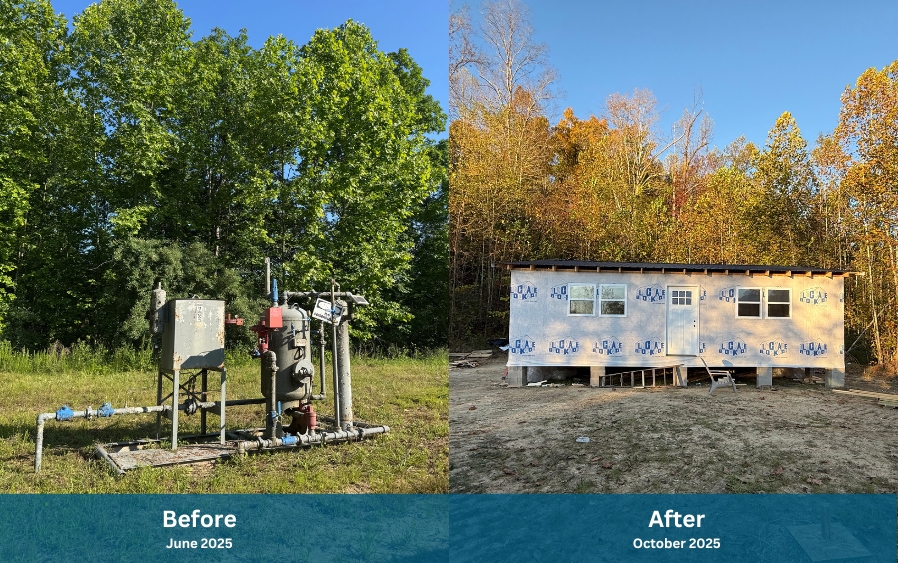
By permanently sealing all ten wells, the project removed methane and H₂S emissions at the source and eliminated the risk of future school interruptions. Families regained access to land that had been off-limits for years, including one property where a family was finally able to build a home for their daughter. Revegetation is already bringing wildlife back into the fields, with milkweed supporting the monarch migration, and the Twelvepole Creek watershed is better protected.

The project’s design, data transparency, and permanent emissions reductions were recognized with an A rating from BeZero Carbon, making it the highest-rated energy-sector project BeZero has assessed to date. The community no longer has to choose between modest production revenue and living with ongoing emissions.
Overall tonnage
67,134
Registry
Open Carbon Protocol
Project ID
OCP-4
OCP-4
Rating
"A" - BeZero Carbon
Verification
EY
Completion date
Q4 2025
Location
Wayne County, West Virginia
Sustainable
Development Goals
Good health and well-being
Clean water and sanitation
Decent work and economic growth
Climate action
Life on land
Purchase credits

Genoa Elementary School has 47 students and is the leading primary school for the area.
Environmental Impact

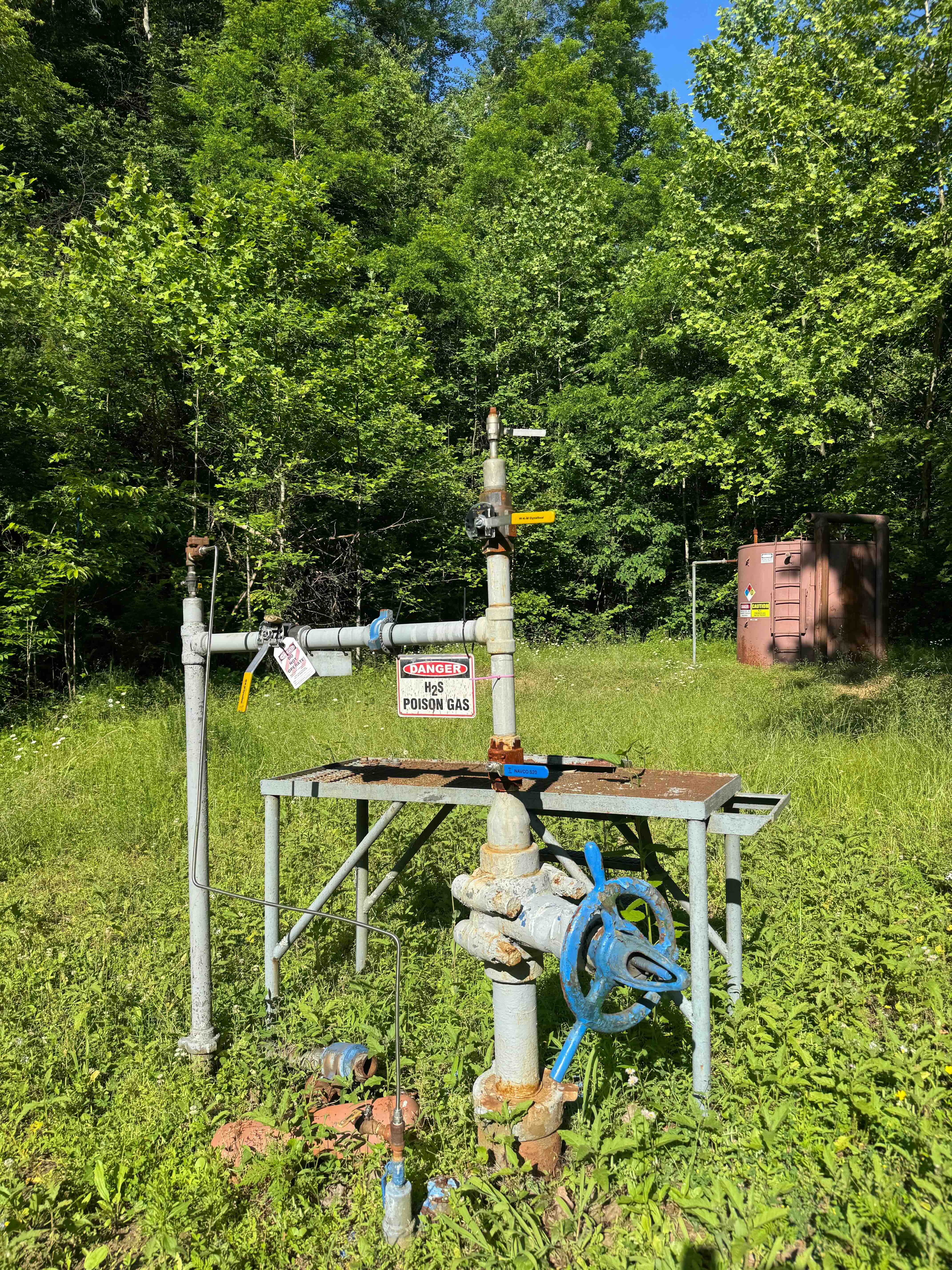
  • Methane Reduction: Aging marginal wells release methane and hydrogen sulfide (H₂S), contributing to climate change and local health risks. Permanently sealing these wells removed an active source of both pollutants, providing immediate climate benefit and reducing exposure for nearby residents and schoolchildren.
  • Protection of the Twelvepole Creek Watershed: These wells sat within the Twelvepole Creek watershed, which supports local ecosystems and supplies drinking water. Decommissioning prevents future leakage into groundwater, reducing long-term risk for downstream users.
  • Improved Air Quality for Residents: H₂S is highly toxic even in small amounts. Closing the wells eliminates a long-standing emission source near homes and Genoa Elementary School, removing the need for precautionary school closures and reducing community exposure.
  • Land Restoration and Habitat Recovery: Revegetation efforts are underway across the project footprint, supporting the return of native species and pollinators. Milkweed plantings strengthen the monarch butterfly migration corridor, and early wildlife activity has already returned to previously disturbed areas.

H₂S is a byproduct of natural gas production in the area. For wells with marginal production, the benefits of H₂S and Methane destruction can outweigh ongoing production.

Once a key economic driver for the state, oil and gas development in West Virginia has aged and royalties are low enough that small incentives can make immediate impacts
Community and Economic Benefits

  • Safer Learning Environment: Genoa Elementary School no longer faces the risk of H₂S-related disruptions, creating a more stable environment for students, teachers, and families.
  • Land Returned to Local Use: Several wells were located directly in backyards or along property lines. Their removal restored access to land that had been unusable for years. One family was even able to build a home for their daughter on newly reclaimed ground.
  • Local Job Creation: The project supported skilled workers, local contractors, and environmental specialists through the full closure and restoration process.

Carbon crediting for the early shut down of oil and gas sites is a common sense approach to the energy transition - and it empowers small energy companies to play a role, locally.

-

West Virginia Operator

Results

This project began in May of 2025 and plugged was completed in September 2025.

This project delivers a verified reduction of 67,000 tons of CO₂e.