Many of the oil and gas wells operating in the U.S. today were drilled decades ago.
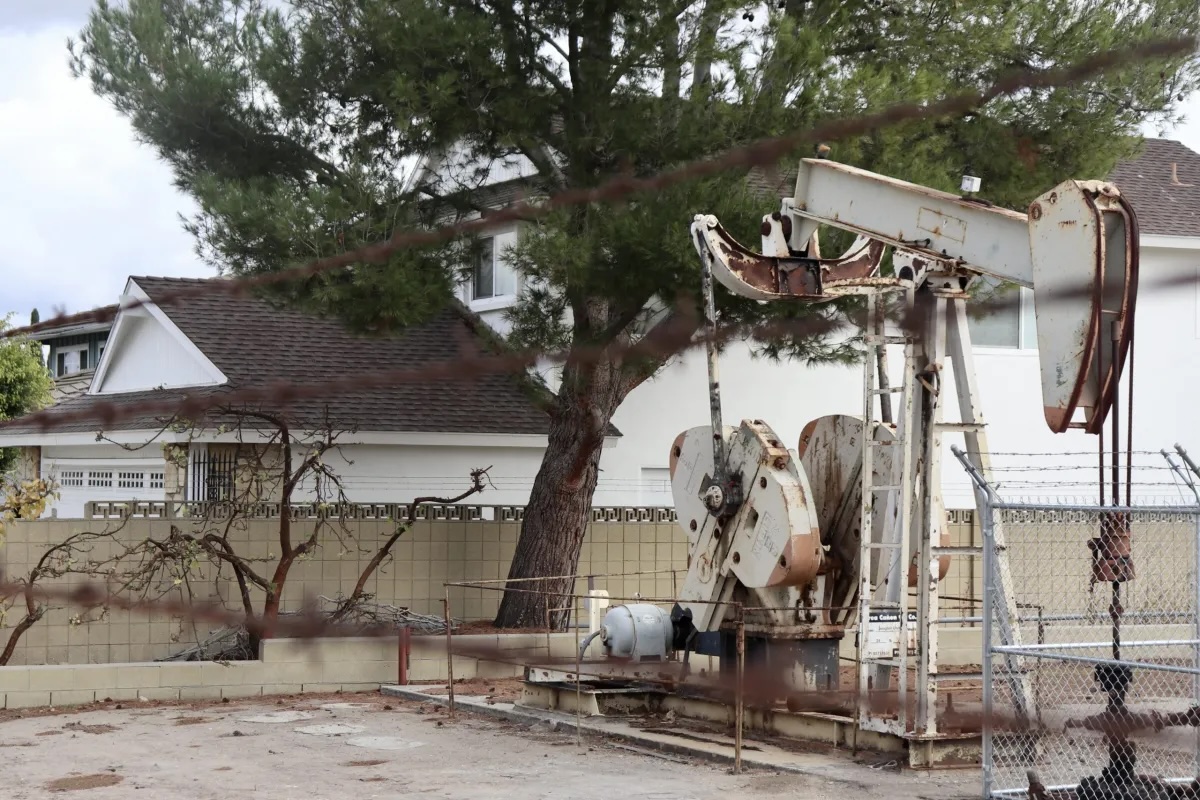
Since then, ownership has often changed hands, infrastructure has aged, and surrounding communities have grown. Wells that were once remote now sit near homes, schools, and farmland. Operators are maintaining these assets within existing regulations, but the context around them has shifted.
This shift has made local exposure and health impacts increasingly relevant.
1. Oil and gas wells emit more than just methane
While they're operating, oil and gas wells can release a range of gases beyond methane, including volatile organic compounds (VOCs), hydrogen sulfide (H₂S), and other byproducts of production and storage.
Methane gets most of the attention because of its climate impact. But the other gases matter too, especially for the people living nearby.
Hydrogen sulfide is one example. At certain concentrations, longer-term exposure has been linked to headaches, fatigue, respiratory symptoms, and eye irritation. Children and people with asthma tend to be more sensitive.
VOCs are another concern. They include benzene, a known carcinogen, along with other compounds tied to dizziness, irritation, and longer-term health risks.
Wells can also contribute to nitrogen oxides (NOx) and particulate matter, which affect air quality and contribute to ground-level ozone. Ozone exposure has been linked to respiratory problems, reduced lung function, and increased asthma risk.
How much any of this affects a given community depends heavily on how close they are to the wells.
Operators monitor emissions, and many sites are subject to leak detection and repair (LDAR) requirements. But aging equipment leaks in small, intermittent ways that are hard to fully eliminate even with good monitoring. The older the infrastructure, the more likely those small leaks are to occur.
Sources:
- ATSDR Hydrogen Sulfide ToxFAQs: https://www.atsdr.cdc.gov/toxfaqs/tfacts114.pdf
- ATSDR Toxicological Profile for Hydrogen Sulfide: https://www.atsdr.cdc.gov/toxprofiles/tp114.pdf
2. Living near wells is linked to real health risks
Health impacts from oil and gas development aren't spread evenly. They're higher for people who live closer.
Multiple studies have found connections between living near oil and gas wells and outcomes like low birth weight and preterm birth.
In one large study of nearly 3 million births, pregnant people living within one kilometer of high-producing wells in rural areas were:
- 40% more likely to have low-birth-weight babies
- 20% more likely to have babies small for gestational age
Other research has found an 8–14% higher likelihood of preterm birth in similar settings.
These studies don't claim that everyone living near a well will be affected. But the pattern is consistent, and it holds across independent research teams working with different data.
Sources:
- University of California, Berkeley study: https://news.berkeley.edu/2020/06/03/living-near-oil-and-gas-wells-tied-to-low-birth-weights-in-infants/
- Stanford University study: https://news.stanford.edu/stories/2020/06/living-near-oil-gas-wells-may-increase-preterm-birth-risk
3. Millions of kids go to school near oil and gas sites
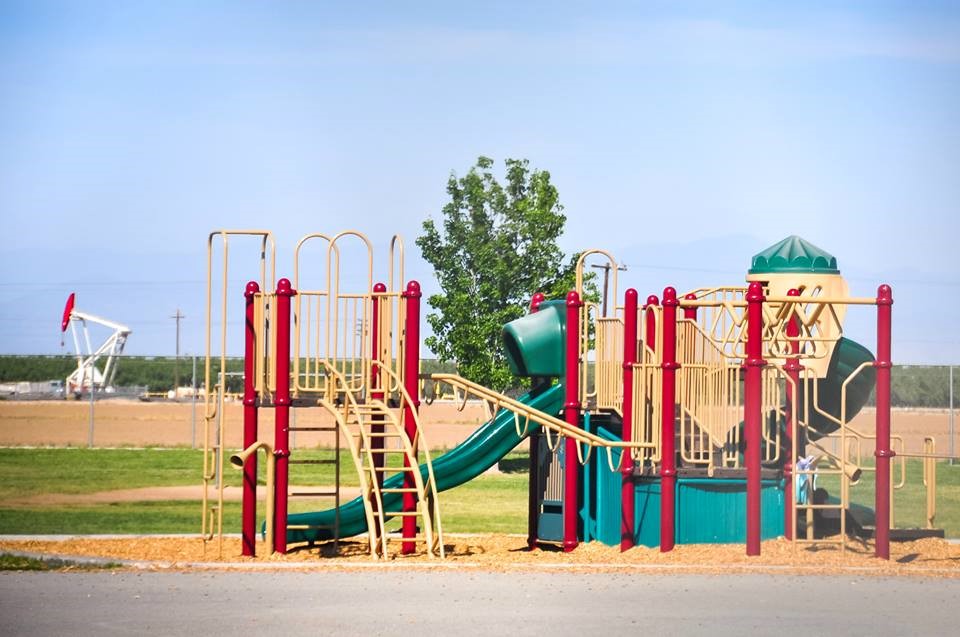
More than 14 million U.S. public school students attend schools located near oil and gas development.
Children can spend a significant portion of their day at school, making this a primary point of exposure. In many cases, exposure continues at home, particularly in regions where oil and gas development is more concentrated.
This exposure isn't distributed equally. Schools in lower-income communities, especially in rural areas, are more likely to be located close to oil and gas sites.
Source:
- Public Health Watch: https://publichealthwatch.org/newsletter/the-watch-millions-of-us-students-attend-school-near-oil-gas-wells/
4. The national health costs are significant
At a national level, the impact of oil and gas air pollution is measurable.
A 2023 study estimated that in a single year, U.S. oil and gas production contributed to:
- ~7,500 excess deaths
- 410,000 asthma attacks
- 2,200 new childhood asthma cases
- ~$77 billion in health-related costs
A few caveats are worth noting. Studies like this involve real methodological complexity. Tying specific health outcomes to a dispersed emissions source requires modeling, not direct measurement. The underlying data also comes from 2016, before some more recent regulatory changes. The researchers are upfront about these limitations.
That said, the broad findings hold up across multiple independent studies. The point isn't to put too much weight on any single number. It's that these costs are real even when they're not showing up on anyone's balance sheet.
Source:
- Boston University School of Public Health: https://www.bu.edu/sph/news/articles/2023/air-pollution-from-oil-and-gas-production-contributes-to-thousands-of-early-deaths-childhood-asthma-cases-nationwide/
5. Plugging a well removes the source, permanently
When a well is permanently decommissioned, emissions stop at the source.
That includes methane, but also the broader mix of gases that affect local air quality.
What makes this different is timing.
Without intervention, many of these wells can remain active for decades at low production levels, continuing to emit throughout that time. Early decommissioning changes that timeline, removing a continuous source of exposure rather than allowing it to persist.
For nearby communities, that means a localized source of air pollution is not just reduced, but eliminated years or lifetimes earlier than it otherwise would be.
A more complete picture
Many of the wells operating today were not originally developed in close proximity to communities. Over time, as land use has evolved and infrastructure has aged, that proximity has become more relevant.
At the same time, operators are often managing legacy assets within the constraints of existing economics and regulations.
Early decommissioning is one way to respond to this dynamic.
It does not assign blame or change how these wells came to exist. But it does change what happens next.
By plugging wells earlier, it is possible to reduce emissions and remove a localized source of air pollution that would otherwise persist for decades.
.jpg)